


 Listen Live
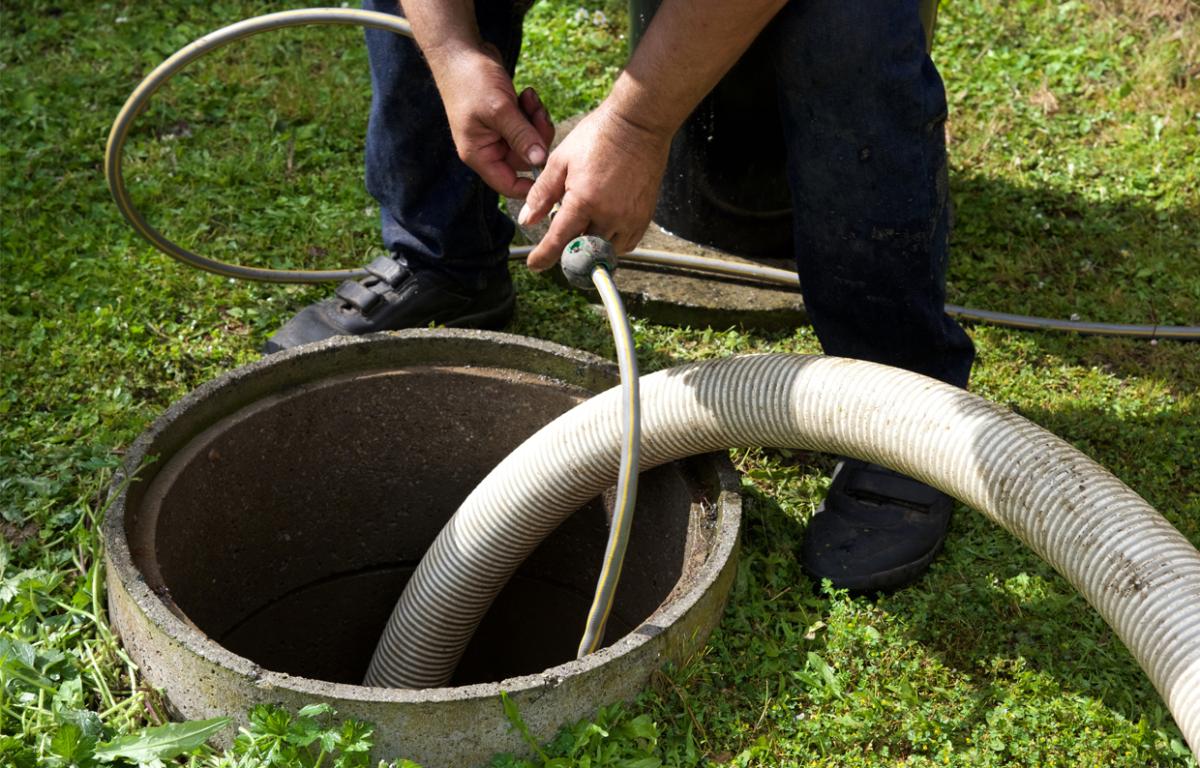

Understanding and Maintaining Your Septic System
How Septic Systems Work
A septic system separates solids (sludge), greases (scum), and liquid effluent. With proper maintenance and routine pumping, systems can last 20–30 years and remain a cost-effective alternative to central sewers. Regular care ensures only treated liquid moves into the drainfield, preventing clogs.
Emulsification Risks
Emulsification mixes tank layers due to chemicals breaking down fats, pushing grease into the soil absorption area and causing blockages. The EPA warns additives and cleaners that emulsify grease can harm your system. Professionals often find tanks damaged by improper disposal of strong chemicals.
Medications and Household Chemicals
Many pharmaceuticals, especially antibiotics and chemotherapy drugs, remain active in waste and can destroy necessary bacteria, leading to faster solid accumulation and potential overflow. Likewise, household products like bleach, antibacterial soaps, and concentrated detergents inhibit useful bacteria, while fats and oils clog pipes. Hazardous substances such as paint thinners and solvents pose a risk to groundwater. Even “flushable” wipes do not break down sufficiently. Only human waste and toilet paper should be flushed.
Best Practices for Septic Care:
- Isolate during construction or heavy chemical use: Temporarily plug the outlet and use the tank as a holding tank when remodeling; pump clean before reconnecting.
- Flush only waste and toilet paper: Never flush wipes, hygiene products, cotton swabs, or floss.
- Don’t dispose of meds or harsh chemicals in drains: Use collection programs for unused medications; dispose of chemicals in the trash.
- Pick septic-safe cleaners: Choose biodegradable, low-suds detergents and limit antibacterial products.
- Avoid pouring grease or grounds down drains: Collect fats and food scraps in the trash; minimize garbage disposal use.
- Conserve water: Spread out water usage, repair leaks, and install water-saving fixtures.
- Pump and inspect regularly: Have the system professionally inspected and pumped every 3–5 years.
Conclusion
In rural communities like Spencer, homeowners often treat septic systems as “out of sight, out of mind.” But Iowa environmental officials and the EPA agree that preventive care is essential. The EPA’s “SepticSmart” guidance stresses: inspect systems every few years and pump when needed to protect home and environment. If you notice warning signs – foul odors, soggy yard spots or backups – call Pete Howe Sanitation. By following these do’s and don’ts, NW Iowa residents can avoid costly failures and keep their septic systems safely treating wastewater for years to come.